Top 10 Most Endangered Species in US National Parks
Discover the most critical and endangered species protected within US National Parks. Learn about the conservation efforts saving America's rarest wildlife.
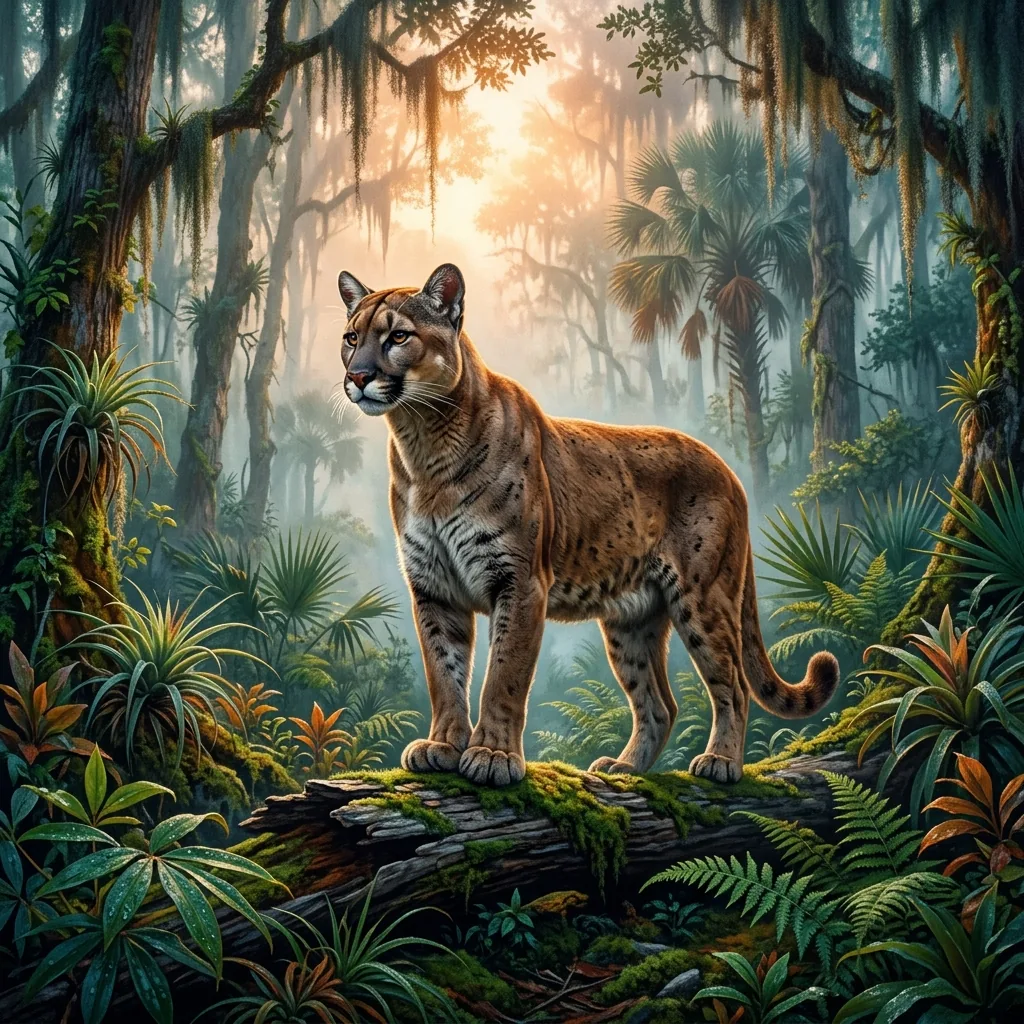
The National Park Service (NPS) is responsible for protecting some of America's most fragile and awe-inspiring ecosystems. While millions visit these parks for their breathtaking landscapes, they also serve as the last line of defense for America's rarest wildlife. Focusing on these critically threatened animals bridges the gap between travel planning and environmental science. Let's explore the 10 most endangered species in US National Parks and the incredible conservation efforts fighting to save them from extinction.
Methodology
This list highlights species facing critical threats that rely heavily on the protection of the National Park system. Our selections are based on:
- Conservation Status: Species officially listed as endangered or critically endangered.
- Park Association: Animals whose survival is intrinsically linked to specific US National Parks or adjacent protected refuges.
- Ecological Importance: The role the species plays within its environment, such as being a keystone species or an indicator of ecosystem health.
- Severity of Threat: The immediacy of the dangers they face, ranging from habitat loss to the impacts of climate change.
List of Endangered Species
10. Mission Blue Butterfly - Golden Gate National Recreation Area
Restricted to the coastal scrublands of the Golden Gate National Recreation Area, the Mission Blue Butterfly is an incredibly delicate and beautiful insect that faces severe threats from urban development.
This species is entirely dependent on three specific types of lupine plants for its survival. As invasive species and habitat loss continue to encroach on its small territory, intense conservation efforts are required to protect this fragile pollinator's remaining sanctuary.
9. Chinook Salmon - Olympic National Park
The Chinook Salmon is a biological engine for the Pacific Northwest. In Olympic National Park, these massive fish navigate free-flowing rivers to spawn, completing an incredible life cycle.
As a vital keystone species, they deliver essential oceanic nutrients deep into old-growth forests, sustaining countless other animals, including bears and eagles. Their declining numbers due to damming and warming waters have a cascading environmental impact on the entire regional ecosystem.
8. Bull Trout - Glacier National Park
The Bull Trout is a highly specialized fish that requires pristine, ice-cold alpine water to spawn. Glacier National Park provides one of their last remaining strongholds in the contiguous United States.
Unfortunately, this species is incredibly vulnerable to climate change. As global temperatures rise and alpine streams warm, the Bull Trout is often the first casualty, making it a critical indicator species for the health of mountain aquatic ecosystems.
7. Red Wolf - Alligator River NWR (Near Parks)
The Red Wolf is the rarest canid in the world. While historically roaming the Southeastern US, today, they are restricted to a tiny pocket in North Carolina, including the Alligator River National Wildlife Refuge, which borders national park lands.
With only a few dozen adults remaining in the wild, the species continues to battle immense challenges, including hybridization with coyotes and human-wildlife conflicts. Protecting their conservation status is one of the most urgent wildlife missions in North America.
6. Hawaiian Monk Seal - Kalaupapa National Historical Park
Seeking refuge on the isolated beaches of Kalaupapa National Historical Park, the Hawaiian Monk Seal is one of the rarest marine mammals on the planet.
This magnificent creature faces severe threats from marine debris, disease, and the loss of coastal habitats. Its precarious existence significantly contributes to Hawaii's status as the US state with the highest concentration of endangered species, requiring constant monitoring and protection.
5. Desert Pupfish - Death Valley National Park
The Desert Pupfish demonstrates one of the most extreme evolutionary adaptations on Earth. This tiny fish survives in the harsh, highly mineralized thermal pools of Death Valley National Park.
Able to withstand extreme salinity and massive temperature fluctuations where any other species would immediately perish, this resilient survivor remains highly vulnerable. Any disruption to its isolated aquatic habitat could instantly wipe out this fascinating endemic species.
4. Shenandoah Salamander - Shenandoah National Park
The Shenandoah Salamander is a rare amphibian found nowhere else on Earth except on three specific, high-elevation peaks within Shenandoah National Park in Virginia.
Because it is restricted to such a narrow geographic range, it is highly vulnerable to the effects of climate change. As temperatures rise, its livable, cool-climate zone is continually pushed further up the mountains, eventually threatening to push the species off the peaks entirely.
3. Cape Sable Seaside Sparrow - Everglades National Park
Found exclusively within the sawgrass marshes of Everglades National Park, the Cape Sable Seaside Sparrow serves as a crucial indicator species for the health of South Florida's wetlands.
Its survival is intimately tied to the region's complex hydrology. The bird's declining numbers are a direct reflection of disrupted natural water flows and the devastating environmental impact of infrastructure development, making restoring the Everglades critical to its survival.
2. Kemp's Ridley Sea Turtle - Padre Island National Seashore
The Kemp's Ridley Sea Turtle is the rarest sea turtle in the world. It famously utilizes the protected shores of the Padre Island National Seashore for its synchronized, mass nesting events, known as an arribada.
While the National Park Service rigorously protects its nesting grounds, the species remains critically endangered due to the severe threat of bycatch in commercial fishing operations in the Gulf of Mexico.
1. Black-Footed Ferret - Wind Cave National Park
The Black-Footed Ferret, residing in Wind Cave National Park, represents one of the greatest comeback stories in North American conservation history. Once thought to be entirely extinct due to the agricultural poisoning of prairie dogs—their primary prey—a small colony was miraculously discovered.
Through intense captive breeding and reintroduction programs, the species is slowly recovering. The ferret's survival highlights the critical importance of national parks in restoring species that have been pushed to the absolute brink of extinction.
Summary of Endangered Species in US Parks
| Rank | Species | Associated National Park | Conservation Status Context |
|---|---|---|---|
| 1 | Black-Footed Ferret | Wind Cave National Park | Considered extinct; recovering from epidemic. |
| 2 | Kemp's Ridley Sea Turtle | Padre Island National Seashore | World's rarest sea turtle. |
| 3 | Cape Sable Seaside Sparrow | Everglades National Park | Highly sensitive to water levels and fires. |
| 4 | Shenandoah Salamander | Shenandoah National Park | Endemic, restricted to a few mountain peaks. |
| 5 | Desert Pupfish | Death Valley National Park | Survives in extreme salinity and temperature variations. |
| 6 | Hawaiian Monk Seal | Kalaupapa National Historical Park | One of the rarest marine mammals in the world. |
| 7 | Red Wolf | Alligator River NWR (Near Parks) | Only 20-30 adults left in the wild. |
| 8 | Bull Trout | Glacier National Park | Highly sensitive to water temperature changes due to climate. |
| 9 | Chinook Salmon | Olympic National Park | Keystone species vital to the broader ecosystem. |
| 10 | Mission Blue Butterfly | Golden Gate National Recreation Area | Depends on specific, endangered host plants. |
Conclusion
The survival of these incredible animals is inextricably linked to the preservation of our national park system. From the high peaks of Shenandoah to the thermal pools of Death Valley, these protected lands offer the last safe harbor for America's most vulnerable wildlife.
Supporting the National Park Service and understanding the ecological importance of these species goes beyond simple tourism; it is a vital part of protecting our natural heritage. When we protect the parks, we protect the endemic species that make these landscapes truly wild and uniquely American.
Frequently Asked Questions
More Wildlife Lists
Top 10 Most Endangered Species in US National Parks
Discover the most critical and endangered species protected within US National Parks. Learn about the conservation efforts saving America's rarest wildlife.
Top 10 Largest Fish in the World
Discover the ocean's most massive inhabitants. From gentle whale sharks to powerful great whites, explore the world's largest fish species and their incredible sizes.
Top 10 Longest Living Animals in the World
From ancient tortoises to immortal jellyfish, discover the incredible longevity of the world's longest-living animals and the secrets to their long lives.