Top 10 Bizarre 'Blue Laws' Still on the Books in the US
Discover the most absurd and archaic state laws still active in the US today. From banning dominoes on Sunday to outlawing giving alcohol to a moose.
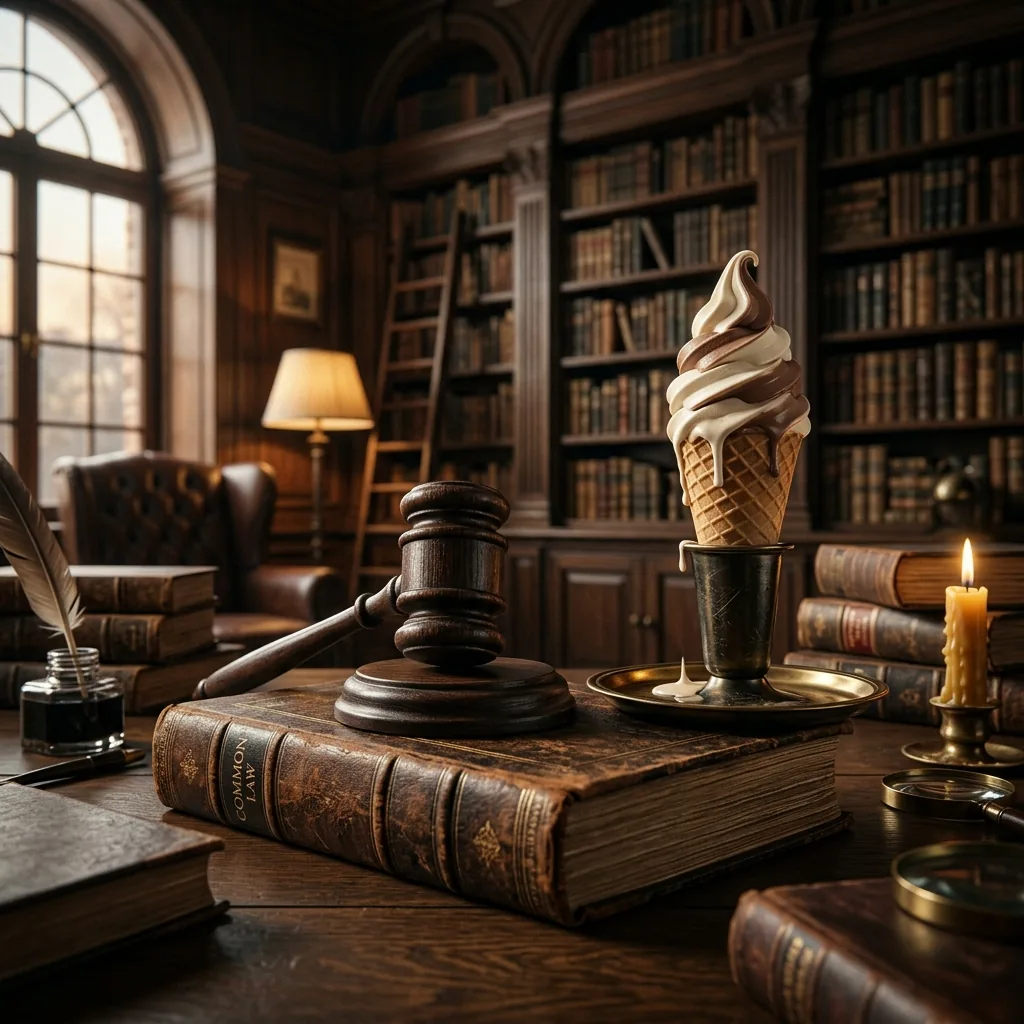
"Blue laws" were originally designed to restrict activities on a day of rest (the Sabbath) for religious reasons. However, over time, the term has evolved to encompass a broader category of archaic, bizarre, and highly specific state legislation that was never officially repealed. These strange legal acts provide incredible comedic value and a fascinating window into the past. Let's explore the 10 bizarre "blue laws" still on the books in the US that prove truth is often stranger than fiction.
Methodology
To compile this list of strange legal statutes, we reviewed state and municipal legal codes that remain technically active. Our selections are based on:
- Absurdity: The comedic or bizarre nature of the law.
- Historical Context: How the law reflects the social norms or specific incidents of the time it was passed.
- Current Status: Ensuring the law has not been officially struck down or repealed.
- Variety: Selecting a diverse range of laws, from agricultural protectionism to modern technological regulations.
List of Bizarre Blue Laws
10. Unlawful to Misrepresent Butter - Iowa
Iowa takes its dairy products incredibly seriously. In this Midwestern state, there are strict laws against lying about the quality, origin, or nature of butter.
This law illustrates the extreme legislative power once wielded by the agricultural lobby. This deep agricultural protectionism ensured that substitute products like margarine could not be deceptively sold, making it a serious legal anomaly focused entirely on breakfast spreads.
9. Cannibalism is Strictly Illegal - Idaho
While one might assume cannibalism is universally illegal, Idaho is a true legal anomaly because it is one of the very few states with a specific statute explicitly outlawing the act.
Most other states prosecute the act of eating human flesh under broader laws regarding murder and the desecration of a corpse. Idaho, however, clearly codified it as a separate and distinct crime, ensuring there is absolutely no legal gray area.
8. Pedestrians Cannot Text and Walk - Hawaii
Unlike the other entries, this is a thoroughly modern piece of legislation. In Honolulu, Hawaii, it is illegal for pedestrians to view a mobile device while crossing the street.
This 21st-century local ordinance was enacted to combat the rise of so-called "smartphone zombies." It is a practical, albeit highly specific, attempt to reduce traffic fatalities caused by distracted walking in busy tourist districts.
7. No Swearing Around a Human Corpse - Georgia
In Georgia, there is a law that strictly prohibits the use of profanity in the presence of a human corpse.
This law was specifically designed to regulate the professionalism of the funeral industry. It reflects deeply ingrained Southern traditions regarding death, respect, and the strict requirement for absolute decorum by funeral home operators.
6. Ban on "Dwarf Tossing" at Bars - Florida
Florida has an explicit ban on "dwarf tossing" in establishments that serve alcohol.
This law was not passed centuries ago; it is 1980s legislation enacted to quickly stamp out an exploitative and dangerous bar promotional fad that was gaining popularity at the time. It serves as a reactionary law to a very specific, bizarre cultural moment.
5. No Trick-or-Treating on a Sunday - Delaware
In the town of Rehoboth Beach, Delaware, there is a strict prohibition against trick-or-treating if October 31st happens to fall on a Sunday.
This is a modern continuation of traditional Sabbath protectionism. To ensure the day of rest remains undisturbed, this local ordinance forces children and parents to move their Halloween celebrations and candy collection to the Saturday prior.
4. No Eating Raw Onions While Walking - Connecticut
In Northfield, Connecticut, there is a bizarre local law that bans citizens from eating raw onions while walking down the street.
This absurd rule highlights how hyper-local ordinances were once used to enforce strict social etiquette and olfactory propriety in public spaces. It was a direct, localized attempt to legislate public odor.
3. Permit Required to Feed Garbage to Pigs - Arizona
In Arizona, you must obtain a special permit if you intend to feed garbage to pigs.
While it sounds ridiculous today, the historical context reveals this was an early, clumsy attempt to regulate agricultural health and prevent the spread of swine diseases. The statute remains active today, a strange relic of early farming regulations.
2. Illegal to Give a Moose Alcohol - Alaska
Alaska's law making it illegal to give alcohol to a moose sounds like a joke, but it stems from a very real and dangerous historical incident.
A local tavern owner in Fairbanks used to regularly get a pet moose drunk to entertain his patrons. This led to unpredictable, aggressive, and highly dangerous behavior from the massive animal, forcing the state to step in and explicitly ban the practice.
1. No Dominoes on Sunday - Alabama
The absolute classic example of a true blue law is Alabama's prohibition on playing dominoes, hunting, or racing on a Sunday.
This is a direct holdover from 19th-century efforts to ensure that the Sabbath remained a day dedicated exclusively to quiet religious contemplation. It stands as the quintessential archaic law, completely ignoring the realities of modern weekend entertainment.
Summary of Bizarre US Laws
| Rank | Bizarre Law | State | Historical/Legal Context |
|---|---|---|---|
| 1 | No Dominoes on Sunday | Alabama | Originally intended to ensure strict Sabbath observance. |
| 2 | Illegal to Give a Moose Alcohol | Alaska | Originated from a specific tavern owner entertaining a pet moose. |
| 3 | Permit Required to Feed Garbage to Pigs | Arizona | Misguided historical attempt to regulate agricultural health. |
| 4 | No Eating Raw Onions While Walking | Connecticut | Bizarre local ordinance targeting public odor. |
| 5 | No Trick-or-Treating on a Sunday | Delaware | Forces Halloween celebrations to be moved to Saturday. |
| 6 | Ban on "Dwarf Tossing" at Bars | Florida | 1980s legislation responding to a dangerous bar fad. |
| 7 | No Swearing Around a Human Corpse | Georgia | Requirement for absolute decorum for funeral home operators. |
| 8 | Pedestrians Cannot Text and Walk | Hawaii | Modern ordinance aimed at reducing traffic fatalities. |
| 9 | Cannibalism is Strictly Illegal | Idaho | One of the few states clearly codifying this act as a separate crime. |
| 10 | Unlawful to Misrepresent Butter | Iowa | Deep agricultural protectionism for the dairy industry. |
Conclusion
While we often view the law as a strict, infallible set of logical rules, these bizarre statutes prove that legislation is often messy, reactionary, and deeply tied to the cultural anxieties of its time.
From protecting the dignity of funerals in Georgia to managing drunk moose in Alaska, these archaic and hyper-specific laws provide a hilarious reminder of America's quirky legal history. While you likely won't be arrested for eating an onion in Connecticut today, the fact that these laws remain on the books is a testament to the slow, stubborn nature of the American legal system.